
In the ever-evolving landscape of orthopedic medicine, one of the most promising developments in recent years has been the integration of orthobiologics into treatment protocols. These cutting-edge therapies, derived from the body’s own biological substances, are revolutionizing the field by enhancing healing, promoting tissue regeneration, and optimizing patient outcomes.
Orthobiologics encompass a wide range of regenerative treatments, including platelet-rich plasma (PRP) therapy, stem cell therapy, and growth factor injections, among others. These therapies harness the body’s natural healing mechanisms to accelerate tissue repair, reduce inflammation, and restore function, offering new hope for patients with orthopedic injuries and conditions.
One of the key benefits of orthobiologics is their ability to stimulate the body’s innate healing processes.
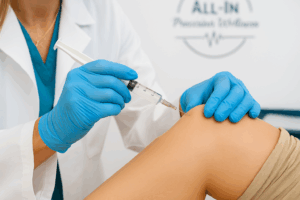
For example, PRP therapy involves isolating platelets from the patient’s own blood and injecting them into the site of injury. These platelets release growth factors that promote tissue regeneration, making PRP an effective option for conditions such as tendon injuries, osteoarthritis, and ligament tears.
Stem cell therapy represents another groundbreaking approach in orthopedics. By harnessing the regenerative potential of stem cells, derived from sources such as bone marrow or adipose tissue, this therapy offers the possibility of repairing and rebuilding damaged tissues within the musculoskeletal system. From cartilage regeneration in osteoarthritis to tissue repair in tendon injuries, stem cell therapy holds immense promise for improving outcomes in orthopedic care.

Orthobiologics also offer several advantages over traditional treatment modalities. These therapies are minimally invasive, typically performed on an outpatient basis, and have a low risk of adverse effects. This makes them an attractive option for patients seeking alternatives to surgery or long-term medication use.
As a practitioner in the field of orthopedics, I have witnessed firsthand the transformative impact of orthobiologics on patient care. From athletes recovering from sports injuries to seniors seeking relief from chronic joint pain, orthobiologic therapies have provided a new avenue for healing and recovery.
In conclusion, the integration of orthobiologics into orthopedic practice represents a paradigm shift in the treatment of musculoskeletal conditions. By harnessing the body’s own healing mechanisms, these therapies offer the potential to revolutionize the way we approach orthopedic care, providing patients with safe, effective, and minimally invasive treatment options.
As always, please reach out with any questions.